Brief Description
Augmented Reality (AR) is reshaping online shopping by offering immersive, interactive experiences that help customers make more confident purchasing decisions.
Long Description
Augmented Reality is emerging as a powerful technology in e-commerce, enabling customers to experience products virtually before buying. From virtual try-ons and 3D product views to interactive shopping environments, AR is changing how sellers connect with customers. This blog explores the rise of AR in e-commerce and what sellers must know to stay competitive.
Main Blog Content
Introduction
The e-commerce industry continues to evolve as new technologies redefine online shopping experiences. Among these innovations, Augmented Reality stands out as a game-changer. By blending digital elements with the physical world, AR helps customers visualize products in real time, making online shopping more interactive and engaging.
What Is Augmented Reality in E-Commerce?
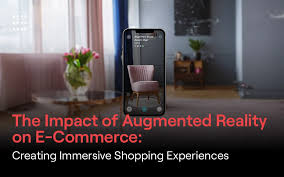
Using smartphones, tablets, or other AR-enabled devices, consumers in e-commerce can view digital representations of products in their actual surroundings. The journey of online shopping is enhanced by this technology, which reduces uncertainty and boosts buyer confidence.
How AR Is Transforming Online Shopping
AR enables features such as:
-
Virtual try-ons for fashion and beauty products
-
3D product visualization for furniture and home décor
-
Interactive product demos
-
Real-time size, fit, and placement previews
These features create immersive experiences that closely resemble in-store shopping.
Benefits of AR for E-Commerce Sellers
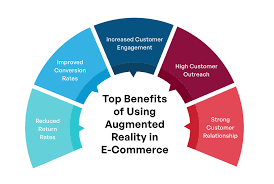
-
Increased customer engagement
-
Higher conversion rates
-
Reduced product returns
-
Improved brand differentiation
-
Enhanced customer trust
Industries Leading AR Adoption
-
Fashion & Apparel: Virtual fitting rooms
-
Beauty & Cosmetics: Try-before-you-buy experiences
-
Furniture & Home Décor: Room visualization
-
Electronics: Interactive product demos
Challenges and Considerations
Despite its benefits, AR adoption requires investment in technology, content creation, and platform integration. Sellers must also ensure AR experiences are user-friendly and accessible across devices.
Future of AR in E-Commerce
As AR technology becomes more affordable and advanced, it will play a central role in shaping the future of online retail. Integration with AI and mobile commerce will further enhance personalization and immersion.
Conclusion
In e-commerce, the rise of augmented reality is redefining how customers shop online. In the ever-evolving digital marketplace, sellers who embrace augmented reality (AR) can create engaging experiences, gain customer trust, and gain a competitive advantage.