Introduction
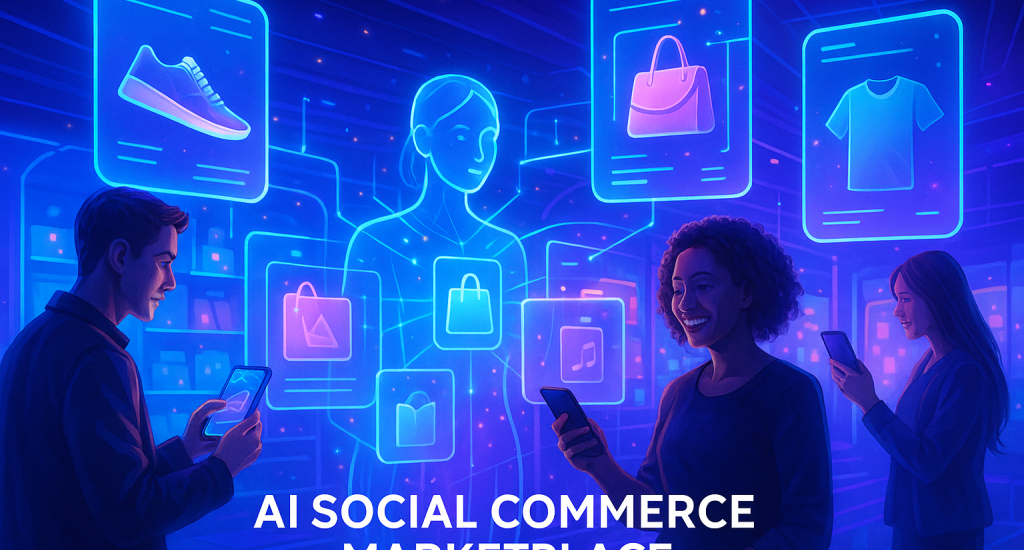
Social media platforms have evolved beyond content sharing into powerful shopping destinations. In 2026 and beyond, social commerce is rapidly transforming as AI and AR technologies redefine how consumers discover, evaluate, and purchase products online. These innovations are making shopping more personalized, interactive, and engaging than ever before.
What Is Social Commerce?
Social commerce refers to buying and selling products directly through social media platforms such as Instagram, Facebook, TikTok, and emerging social apps. It blends entertainment, social interaction, and e-commerce into a seamless experience.

Role of Artificial Intelligence in Social Commerce
1. AI-Powered Product Recommendations
AI analyzes user behavior, interests, and engagement patterns to deliver highly personalized product suggestions.
2. Intelligent Chatbots & Virtual Assistants
AI chatbots provide instant customer support, answer questions, and guide shoppers through the purchase journey.
3. Predictive Analytics for Trend Forecasting
AI helps brands identify emerging trends and consumer preferences, enabling faster and more effective marketing strategies.
How Augmented Reality Is Transforming Social Shopping
1. Virtual Try-Ons
AR allows users to try products such as clothing, makeup, or accessories directly through social apps.
2. Immersive Product Previews
Consumers can visualize products in real-world environments before making a purchase decision.
3. Interactive Brand Experiences
AR-powered filters and experiences increase engagement and brand awareness.

Benefits of AI & AR in Social Commerce
-
Enhanced user engagement
-
Higher conversion rates
-
Reduced product returns
-
Improved customer trust
-
Seamless shopping experiences
Industries Leading Social Commerce Innovation
-
Fashion & apparel
-
Beauty & cosmetics
-
Home décor & furniture
-
Consumer electronics
Challenges and Considerations
Despite its potential, social commerce faces challenges such as data privacy concerns, platform dependency, and technology adoption costs. Businesses must adapt carefully to maximize benefits.
Future Outlook
As AI and AR technologies mature, social commerce will become more immersive and personalized. Shopping will feel more like an interactive experience rather than a transaction, reshaping digital consumer behaviour.
Conclusion
The future of social commerce lies in the powerful combination of AI and AR. Brands that embrace these technologies will create richer shopping experiences, strengthen customer relationships, and gain a competitive edge in the evolving digital marketplace.