Short Description
Blockchain is reshaping online marketplaces by improving transaction security, reducing fraud, and automating agreements through smart contracts.
Long Description
Blockchain technology is gaining strong momentum in online marketplaces. By offering decentralized, transparent, and tamper-proof systems, blockchain enables secure payments and automated smart contracts. This blog explores how blockchain is transforming online marketplaces, improving trust, efficiency, and scalability for digital commerce platforms.
Main Blog Content
Introduction
Online marketplaces connect millions of buyers and sellers worldwide, but they often face challenges such as payment fraud, lack of transparency, and disputes. Blockchain technology offers innovative solutions to these problems by introducing decentralized and secure systems that eliminate the need for intermediaries and enhance trust.
What Is Blockchain Technology?
Blockchain is a distributed ledger technology that records transactions across multiple nodes in a secure and transparent manner. Once data is recorded, it cannot be altered, ensuring integrity and trust in digital transactions.
Secure Payments in Online Marketplaces
Blockchain enables secure and fast payments by using cryptographic verification and decentralized networks. Key benefits include:
-
Reduced risk of fraud and chargebacks
-
Faster cross-border transactions
-
Lower transaction fees
-
Enhanced data security
These features make blockchain payments highly attractive for online marketplaces.
Smart Contracts: Automating Marketplace Transactions
Smart contracts are self-executing digital agreements stored on the blockchain. They automatically enforce contract terms when predefined conditions are met. In online marketplaces, smart contracts:
-
Automate order processing and payments
-
Reduce disputes between buyers and sellers
-
Ensure transparency and fairness
-
Improve operational efficiency
Benefits of Blockchain for Online Marketplaces
-
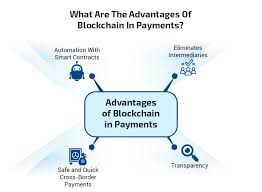
Increased trust and transparency
-
Secure and immutable transaction records
-
Reduced dependency on intermediaries
-
Faster settlement and payment processing
-
Enhanced user confidence
Use Cases of Blockchain in Marketplaces
-
Escrow services for buyer-seller protection
-
Transparent supply chain tracking
-
Decentralized identity verification
-
Secure digital asset trading
Challenges and Limitations
Despite its advantages, blockchain adoption faces challenges such as scalability issues, regulatory uncertainty, and technical complexity. Marketplaces must evaluate these factors before implementation.
Future Outlook
It is anticipated that the use of blockchain technology in online marketplaces will increase as it matures. Integration with AI and IoT will further enhance security, automation, and operational intelligence.
Conclusion
Blockchain is redefining how online marketplaces operate by enabling secure payments and smart contracts. By adopting blockchain solutions, marketplaces can build trust, improve efficiency, and create a safer digital commerce environment.