Introduction
Modern e-commerce customers shop across multiple platforms. They may discover products on social media, compare prices on marketplaces, and complete purchases on brand websites. To meet these expectations, businesses are adopting multi-channel selling strategies that unify Amazon, Shopify, and other marketplaces.
This blog explains how sellers can manage multiple sales channels effectively and scale their online business.

What Is Multi-Channel Selling?
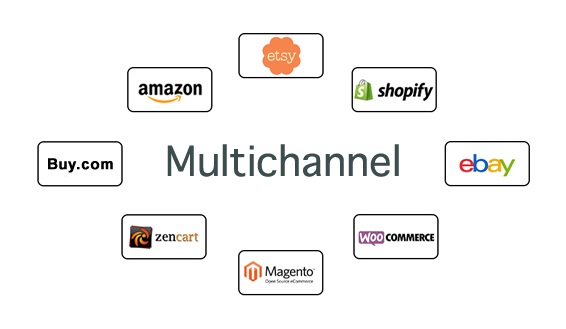
Multi-channel selling means selling the same products across multiple platforms such as:
-
Amazon
-
Shopify stores
-
eBay, Walmart, Etsy
-
Social commerce platforms
All channels are managed under a unified operational system.
Why Multi-Channel Selling Matters in 2026
-
Customers shop everywhere
-
Reduced dependence on a single platform
-
Increased brand visibility
-
Higher revenue potential
Key Sales Channels Explained
Amazon
Provides massive traffic and trusted fulfillment.
Shopify
Offers full control over branding and customer experience.
Marketplaces (eBay, Walmart, Etsy)
Expand reach to niche and price-sensitive audiences.
Benefits of Managing Amazon, Shopify & Marketplaces Together
1. Increased Sales Opportunities
Multiple touchpoints lead to higher conversions.
2. Brand Consistency
Unified branding builds trust across platforms.
3. Risk Diversification
Platform changes affect you less when sales are diversified.
4. Better Customer Experience
Customers can buy where they feel most comfortable.
Core Elements of a Successful Multi-Channel Strategy
1. Centralized Inventory Management
Synchronize inventory across all platforms in real time.
2. Unified Order Management
Manage orders from all channels in one dashboard.
3. Consistent Pricing Strategy
Avoid pricing conflicts across marketplaces.
4. Automation & AI Tools
Use automation to manage listings, pricing, and stock.
5. Performance Tracking & Analytics
Track sales, conversion rates, and ROI by channel.
Common Challenges in Multi-Channel Selling
-
Inventory overselling
-
Order fulfillment delays
-
Platform integration complexity
How to Overcome Multi-Channel Challenges
-
Use integrated inventory tools
-
Automate order processing
-
Monitor performance regularly
Future of Multi-Channel Selling
AI-powered systems will further simplify multi-channel selling by optimizing inventory, pricing, and marketing automatically.
Conclusion
The future of scalable e-commerce lies in managing marketplaces, Shopify, and Amazon together. Multi-channel selling boosts long-term growth, resilience, and revenue with the correct approach and resources.