Short Description
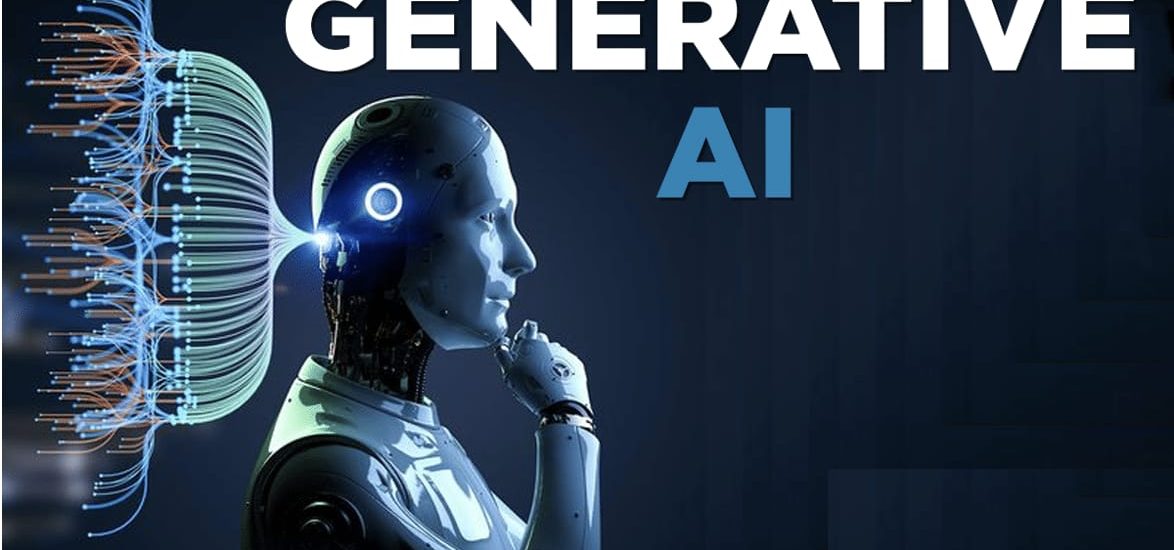
Generative AI allows machines to create original content using advanced models, reshaping industries such as marketing, design, software development, and education.
Long Description
Generative Artificial Intelligence represents a major breakthrough in modern technology. By using large language models and deep learning techniques, generative AI systems can create text, images, videos, music, and code. Tools like ChatGPT and Midjourney demonstrate how AI is moving beyond analysis into creativity. This blog explains generative AI, how it works, and its real-world applications beyond today’s most popular platforms.
Main Blog Content
Introduction
Artificial Intelligence has evolved rapidly, and one of its most exciting developments is generative AI. Unlike traditional AI systems that analyze or classify data, generative AI creates new content. From writing articles and designing visuals to generating software code, generative AI is changing how individuals and businesses work.
What Is Generative AI?
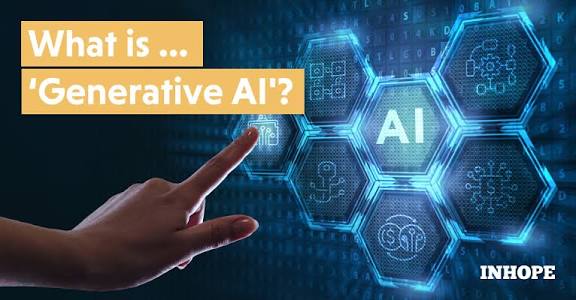
Generative AI refers to AI systems that can produce original content by learning patterns from large datasets. These systems use models such as large language models (LLMs), diffusion models, and neural networks to generate human-like outputs across different formats.
ChatGPT: Transforming Text-Based AI
ChatGPT is a powerful generative AI tool that creates human-like text responses. It is widely used for content creation, customer support, education, research, and software development. ChatGPT demonstrates how generative AI can understand context and generate meaningful, coherent text.
Midjourney: Redefining Visual Creativity
Midjourney is a generative AI platform that produces high-quality images from text prompts. Designers, marketers, and artists use it to create visuals, concepts, and digital art, showcasing AI’s ability to support creative industries.
Beyond ChatGPT and Midjourney
Generative AI extends far beyond text and images. Key areas include:
-
Code Generation: AI assists developers by writing and debugging code
-
Video & Audio Creation: AI-generated videos, voiceovers, and music
-
Product Design: Rapid prototyping and creative ideation
-
Business Automation: AI-generated reports, emails, and insights
Business and Industry Applications
Generative AI is being adopted across industries:
-
Marketing: Content generation and campaign personalization
-
Education: AI tutors and learning assistants
-
Healthcare: Medical documentation and research support
-
Software Development: Faster development cycles
-
E-Commerce: Product descriptions and customer engagement
Benefits of Generative AI
-
Increased productivity and efficiency
-
Reduced content creation costs
-
Enhanced creativity and innovation
-
Scalable personalization
Challenges and Ethical Considerations
Despite its advantages, generative AI raises concerns related to data privacy, misinformation, copyright, and ethical use. To address these issues, responsible AI development and clear governance are necessary.
Future of Generative AI
Generative AI will continue to evolve, becoming more accurate, multimodal, and integrated into everyday tools. As adoption grows, generative AI will play a central role in shaping the future of work and creativity.
Conclusion
Powered by ChatGPT and Midjourney, generative AI is redefining how content is created and consumed. By understanding its capabilities and limitations, individuals and businesses can harness generative AI to drive innovation and growth